How Can You Navigate NYC Rush Hour Without Losing Time?
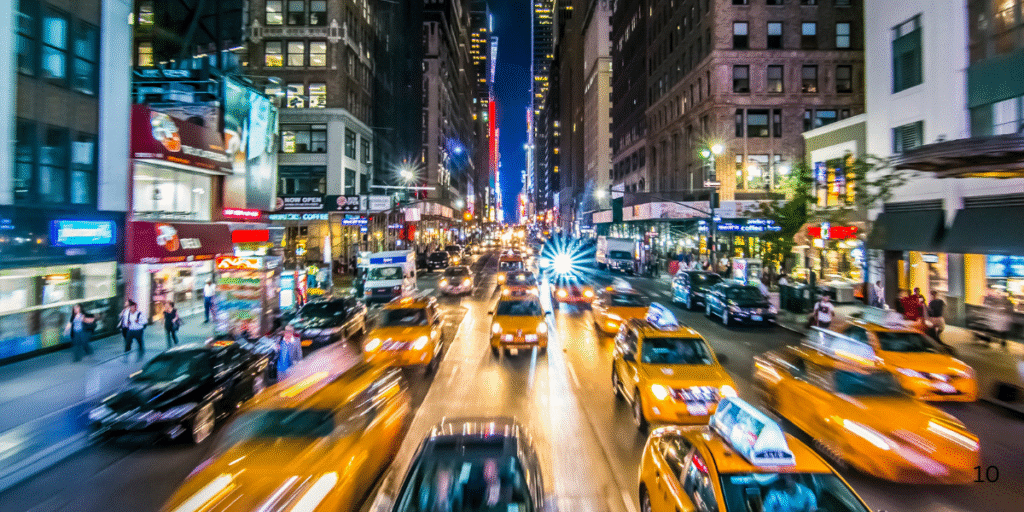
New York City traffic is among the most challenging in the world. With millions of vehicles entering and leaving Manhattan daily, rush hour is defined by long queues at bridges, tunnels, and arterial roads. The introduction of congestion pricing in 2025 has eased some pressure, but peak periods still cause significant delays.
At YAZ Luxury Transportation Corp., we monitor traffic patterns, toll schedules, and event calendars to ensure our clients reach their destinations on time. This guide explains what rush hour looks like in 2025, how congestion pricing has changed travel, and how to plan trips that avoid the worst delays.
NYC Rush Hour in 2025: What’s Different
Morning rush generally runs from 6:00–10:00 a.m., while evening rush spans 4:00–8:00 p.m. Mondays and Fridays remain the slowest days, with Friday evenings the most congested.
In 2025, congestion pricing was implemented for vehicles entering Manhattan’s central business district. The peak toll window is 5:00 a.m.–9:00 p.m. on weekdays and 9:00 a.m.–9:00 p.m. on weekends. Overnight tolls are discounted by up to 75%. Early data shows fewer cars entering Manhattan during these hours, which has improved average speeds inside the zone. However, approach routes to bridges and tunnels can still jam quickly.
The main lesson: congestion pricing reduces gridlock inside Manhattan, but if you hit the tunnels or bridges at the wrong time, you can still lose a lot of time.
Bridges, Tunnels, and Entry Points
Four tunnels—Lincoln, Holland, Queens-Midtown, and Hugh L. Carey (Battery)—serve as the primary gateways into Manhattan. Mornings between 7:00–9:00 a.m. and evenings from 4:30–7:00 p.m. are the toughest windows. If possible, aim to pass through tunnels before 7:00 a.m. or after 9:30 a.m.
Key bridge and highway approaches also dictate delays:
- I-95 and George Washington Bridge: Major choke point for north-south traffic.
- I-278 (Brooklyn-Queens Expressway and Staten Island Expressway): Regular slowdowns, worsened by construction and freight volumes.
- I-495 (Long Island Expressway): Congested east-west approach with recurring backups near Queens-Midtown Tunnel.
- FDR Drive and West Side Highway: Prone to delays during crosstown surges and event closures.
Data from NYU’s C2SMART congestion tracker and MTA Bridges & Tunnels metrics confirm that travel times improve slightly inside Manhattan compared to 2024, but inbound approaches remain volatile.
Congestion Pricing and What It Means
The congestion pricing program applies to most vehicles entering Manhattan below 60th Street. The policy is designed to reduce overall traffic, improve air quality, and generate funding for public transit.
For travelers, the practical takeaway is twofold:
- Peak toll costs add up if you must enter during daytime hours.
- Travel speeds improve once inside the zone, so if you plan correctly, you can move through Midtown or Downtown faster than before.
If a trip allows flexibility, aim for off-peak entries after 9:00 p.m. or before 5:00 a.m. These windows reduce both toll costs and wait times at crossings.
Timing Strategies That Work
The single most effective way to reduce delays is to schedule around rush hour windows.
- Early morning (before 6:30 a.m.): Best time to enter Manhattan with minimal tunnel queues.
- 7:00–9:30 a.m.: Heaviest inbound congestion; allow at least 30–60 extra minutes.
- 10:00 a.m.–2:30 p.m.: Most reliable mid-day window for business meetings or airport transfers.
- 3:30–7:30 p.m.: Outbound rush and crosstown traffic collide; bridge and tunnel backups often extend into the evening.
- Friday afternoons: Worst day of the week. Outbound traffic toward New Jersey and Long Island spikes early, often before 3:00 p.m.
For airport transfers, this timing is critical. A 4:00 p.m. pickup in Midtown headed for JFK or Newark can double in travel time if not planned carefully.
Tools That Provide an Edge
Navigation systems with live congestion layers are essential. Always enable toll roads in route preferences, or you risk being directed onto slower local streets.
Agencies like MTA Bridges & Tunnels post service alerts and travel times for crossings, while third-party mobility dashboards visualize delays across the region. Monitoring these sources before a high-stakes trip is standard practice.
Community advice on forums like Reddit frequently emphasizes the value of early departures and avoiding casual drive-throughs in Manhattan. Parking costs and lost time can outweigh the convenience of driving yourself.
Curb-Side Precision
Even after you manage the highways and tolls, block-by-block traffic inside Manhattan can cost minutes. Precision matters:
- Choose the correct side street for hotels or venues. Approaching from the wrong avenue can trap a vehicle in one-way loops.
- For theaters, arenas, or large events, schedule pickups 15–20 minutes after doors close. Loading too early means waiting in heavy pedestrian flows and NYPD barricades.
- Garbage collection and freight delivery schedules also matter. A 10-minute delay can occur simply because a block is temporarily obstructed by trucks.
Professional chauffeurs account for these micro-level issues when staging vehicles.
Weekend and Event Considerations
Rush hour patterns shift slightly on weekends, but congestion remains an issue. Midtown shopping on Saturdays and Sundays creates heavy cross-street traffic. Parades, marathons, and political or cultural events result in rolling closures, especially on Fifth Avenue and near Central Park.
The UN General Assembly, Fashion Week, Thanksgiving Parade, and New Year’s Eve are all known for extensive traffic restrictions. On these dates, normal traffic patterns do not apply, and detours add significant time.
How YAZ Luxury Transportation Keeps You on Schedule
Our role is not just to drive but to engineer each trip around New York City’s unique traffic challenges. We provide limo service New York travelers can count on for precise timing, efficient routing, and unmatched comfort.
- Trip timing: We back-plan every pickup from flight schedules, meeting start times, or event openings. This ensures clients pass through tunnels and tolls at optimal times relative to the congestion pricing windows.
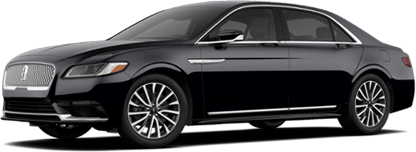
- Fleet variety: Our lineup includes luxury sedans, SUVs like the Cadillac Escalade and Chevy Suburban, stretch limousines, Sprinter vans and executive coaches, and mini buses or motor coaches for larger groups. We assign the right vehicle for the location, passenger count, and luggage load.
- Real-time adjustments: Our chauffeurs monitor MTA and FDOT-style data feeds along with live incident reports. If the West Side Highway is blocked, we pivot to the FDR. If Midtown is gridlocked, we use cross-town strategies with less exposure.
- Curb-side coordination: We confirm with venues where vehicles can legally and efficiently stage. This prevents wasted time circling or risking fines.
- Airport transfers: We build itineraries to hit the least congested bridge or tunnel windows, often before 7:00 a.m. or after 9:30 a.m., balancing traffic patterns with security check-in requirements.
The result is a transportation plan that minimizes wasted time and maximizes predictability in a city where traffic is otherwise unpredictable.
Frequently Asked Questions
What time is NYC rush hour?
Weekdays from 6:00–10:00 a.m. and 4:00–8:00 p.m. Friday evenings are the most congested.
How has congestion pricing changed Manhattan traffic?
Early reports in 2025 show fewer vehicles entering during peak hours and faster travel inside Manhattan, though bridge and tunnel queues remain.
When should I enter the tunnels to avoid long waits?
Before 7:00 a.m. or after 9:30 a.m. are the most reliable times. Mid-day is usually manageable.
What are the congestion pricing hours?
Weekdays 5:00 a.m.–9:00 p.m. and weekends 9:00 a.m.–9:00 p.m. Overnight tolls are much lower.
Is hiring a car service worth it in NYC?
Yes. A professional chauffeur provides optimized routing, curb-side accuracy, and vehicle right-sizing—factors that save time compared to driving yourself.
Final Thoughts
Navigating New York City during rush hour requires more than patience—it requires planning. Congestion pricing has improved conditions inside Manhattan, but the approaches through tunnels and bridges remain time-consuming during peak periods. The best strategy is to combine smart timing, real-time monitoring, and professional routing.
At YAZ Luxury Transportation Corp., we build transportation plans that match the realities of New York City traffic. With a diverse fleet and experienced chauffeurs, we help clients avoid wasted time and keep their schedules intact, whether for an airport transfer, corporate meeting, or evening event.